
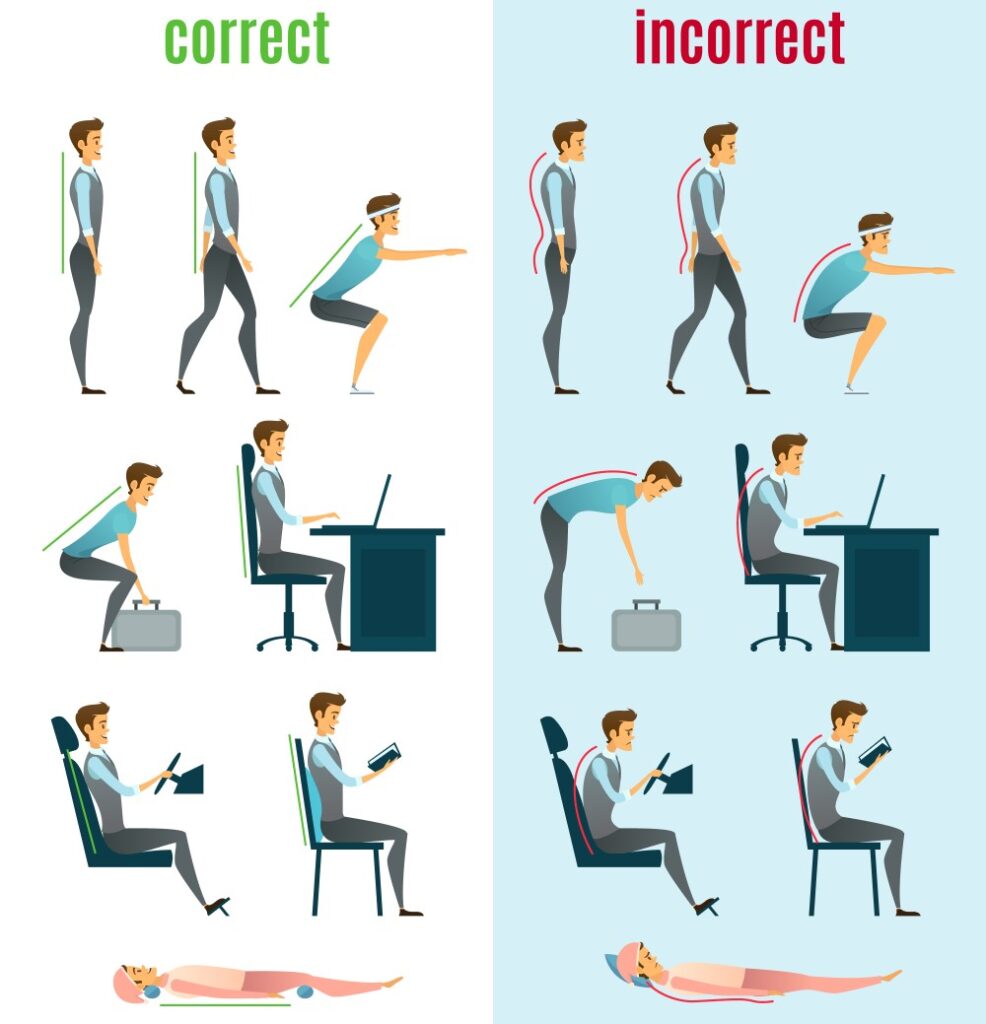
Ergonomics & Posture Analysis: Enhancing Comfort, Preventing Strain
Understanding how the human body interacts with its work environment is crucial for long-term health and productivity. Ergonomics and posture analysis aim to create comfortable, efficient spaces while identifying movement patterns that could lead to physical discomfort or injury.
What Is Ergonomics and Posture Analysis?
-
Ergonomics focuses on designing tools, workspaces, and tasks that fit the natural movements of the human body, reducing physical stress and boosting efficiency.
-
Posture analysis examines how individuals sit, stand, and move while performing tasks to detect imbalances, strain, or habits that may lead to musculoskeletal disorders (MSDs).
Together, these practices help prevent injuries, improve work performance, and promote overall well-being.
Core Elements of Ergonomics & Posture Evaluation
1. Identifying Risk Factors
Ergonomic assessments detect elements like poor posture, repetitive motions, or awkward body positions that can lead to common workplace injuries.
2. Postural Assessment
Posture is analyzed during daily activities to identify misalignments or strain that could increase the risk of discomfort or injury.
3. Use of Assessment Tools
Advanced tools like:
-
REBA (Rapid Entire Body Assessment) and
-
RULA (Rapid Upper Limb Assessment)
are employed to objectively score and evaluate ergonomic risks related to different body postures and tasks.
4. Implementing Corrective Actions
Based on findings, practical recommendations are made — such as adjusting workstation layout, altering movement patterns, or improving seating — to minimize risk and improve comfort.
Benefits of Ergonomic & Postural Assessments
-
Lower Risk of Injury
Prevents conditions such as back pain, tendonitis, carpal tunnel syndrome, and neck strain. -
Improved Efficiency & Productivity
Comfortable working conditions contribute to greater focus, reduced fatigue, and better performance. -
Enhanced Employee Wellness
A supportive, ergonomic workspace fosters healthier habits, reducing absenteeism and boosting morale.